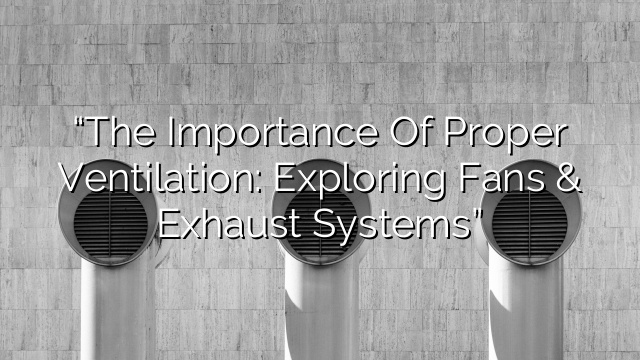
The Importance of Proper Ventilation: Exploring Fans & Exhaust Systems
Proper ventilation is crucial in any space, whether it be a residential home, commercial building, or industrial facility. Without adequate airflow, the air in a confined area can become stagnant and filled with pollutants, leading to a variety of health and safety issues. One of the most effective ways to ensure proper ventilation is through the use of fans and exhaust systems. In this article, we will explore the different types of fans and exhaust systems available and discuss their importance in maintaining a healthy and comfortable environment.
The Role of Fans in Ventilation
Fans play a crucial role in ventilation by circulating the air and promoting airflow. They work by creating a flow of air, either by pushing air into a space (supply fans) or by removing air from a space (exhaust fans). The circulation of air helps to distribute fresh, clean air throughout the space, while also removing stale air and pollutants.
There are several types of fans that are commonly used in ventilation systems:
- Roof Exhaust Fans: These fans are installed on the roof of a building and are designed to remove hot air and pollutants from the space. They are commonly used in industrial facilities, warehouses, and commercial buildings.
- Centrifugal Upblast Fans: These fans are typically used in kitchen exhaust systems and are designed to remove grease, smoke, and odors from the air. They are often used in restaurants, commercial kitchens, and food processing facilities.
- In-line Fans: These fans are installed in the ductwork of a ventilation system and are used to either supply or exhaust air. They are commonly used in residential and commercial HVAC systems.
- Axial Fans: These fans are designed to move large volumes of air and are commonly used in industrial settings, such as factories and warehouses. They are also used in HVAC systems to circulate air.
Each type of fan has its own unique features and benefits, and the selection of the appropriate fan will depend on the specific requirements of the space and the ventilation system.
The Importance of Exhaust Systems
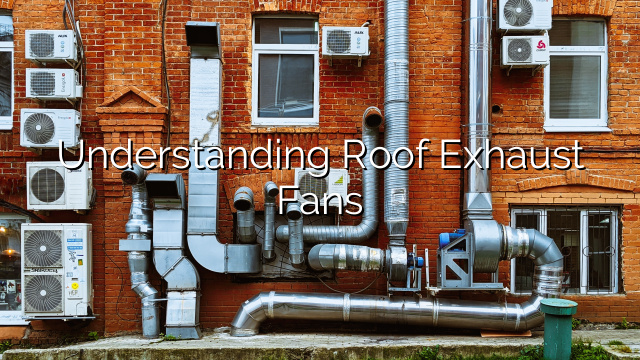
Exhaust systems, which include fans, ductwork, and vents, play a critical role in removing pollutants and contaminants from indoor spaces. Whether it’s smoke, fumes, dust, or odors, these pollutants can have a detrimental impact on the health and well-being of occupants if not properly and efficiently removed.
One of the main benefits of exhaust systems is the removal of harmful gases and pollutants. For example, in a commercial kitchen, the use of a proper exhaust system with a centrifugal upblast fan can effectively remove smoke and grease particles, reducing the risk of fire and improving air quality for kitchen staff and customers. In industrial facilities, exhaust systems with roof exhaust fans can help remove hazardous fumes and chemicals, ensuring a safe and healthy working environment.
Another important benefit of exhaust systems is the prevention of moisture buildup. In spaces with high levels of humidity, such as bathrooms or basements, the use of exhaust fans can help remove excess moisture from the air, preventing mold and mildew growth. Proper ventilation and moisture control are essential for maintaining a healthy indoor environment.
The Benefits of Proper Ventilation
Proper ventilation has numerous benefits, including:
- Improved Air Quality: Ventilation helps remove pollutants, odors, and stale air, providing fresh and clean air for occupants.
- Temperature Control: By promoting airflow, ventilation helps regulate the temperature in a space, ensuring comfort for occupants.
- Moisture Control: Ventilation helps to control humidity levels, preventing mold and mildew growth.
- Health Benefits: Proper ventilation reduces the risk of respiratory problems, allergies, and other health issues associated with poor indoor air quality.
- Energy Efficiency: A well-designed ventilation system can help reduce energy consumption by maximizing the use of natural ventilation and reducing the need for mechanical cooling or heating.
It is important to note that proper ventilation is not just a matter of comfort; it is also required by building codes and regulations. Many jurisdictions have specific requirements for ventilation in different types of spaces, such as residential buildings, commercial establishments, and industrial facilities. Compliance with these regulations is essential to ensure the health and safety of occupants and to avoid penalties or legal issues.
FAQs
Q: How often should fans and exhaust systems be maintained?
A: Fans and exhaust systems should be regularly inspected and maintained to ensure they are operating effectively. The frequency of maintenance will depend on the type of system and its usage. It is recommended to have a professional perform maintenance at least once a year.
Q: Can I install fans and exhaust systems myself?
A: While it is possible to install some types of fans and exhaust systems yourself, it is recommended to hire a professional for proper installation. Professionals have the expertise and knowledge to select the right equipment, ensure proper ventilation design, and comply with building codes and regulations.
Q: Are there any energy-efficient options available for fans and exhaust systems?
A: Yes, there are many energy-efficient options available for fans and exhaust systems. Energy-efficient fans are designed to consume less energy while still providing effective ventilation. Additionally, the use of controls, such as variable speed drives and timers, can help optimize the energy efficiency of the ventilation system.
Q: Can I use a fan without an exhaust system?
A: While a fan can help promote airflow and circulation, the use of an exhaust system is still necessary to remove pollutants and ensure proper ventilation. Without an exhaust system, pollutants can accumulate in the space and lead to health and safety issues.
Q: How can I determine the right size of fan for my space?
A: The size and airflow capacity of the fan will depend on the size of the space, the ventilation requirements, and the type of pollutants to be removed. It is recommended to consult with a ventilation professional who can properly assess your needs and recommend the appropriate fan size and type.