
What is Electric Heating and Ductless Mini Split Systems?
Electric heating is a method of heating homes and other buildings using electricity as the main source of energy. It can be a cost-effective and efficient way to heat your space, especially if you live in an area with access to renewable energy sources.
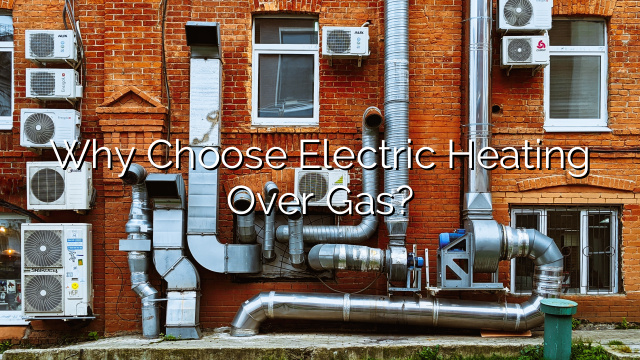
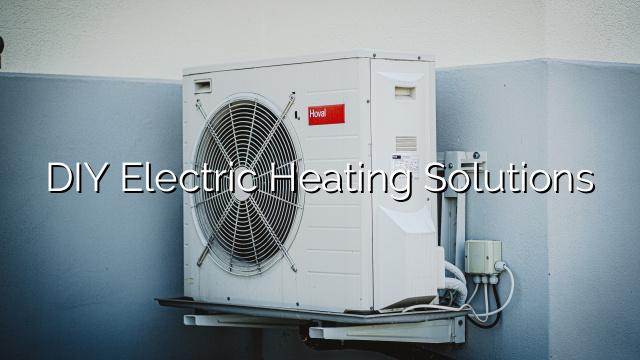
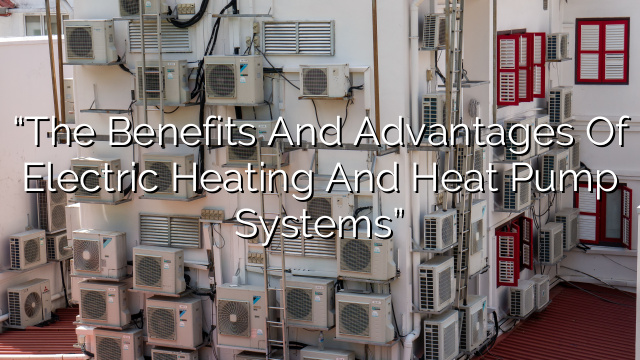
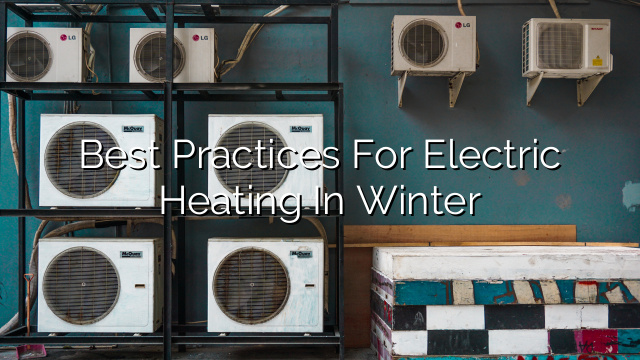
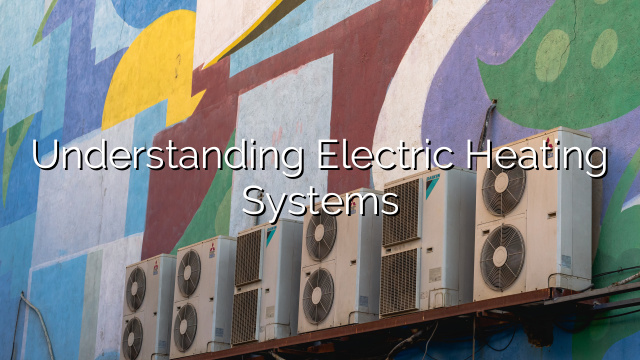
Ductless mini split systems, on the other hand, are heating and cooling systems that do not require ductwork. They consist of an outdoor unit that connects to one or more indoor units which are responsible for heating or cooling individual rooms or zones. They are increasingly popular as an alternative to traditional HVAC systems due to their energy efficiency and ease of installation.
How Does Electric Heating Work?
Electric heating works by converting electrical energy into heat energy. This can be done through different methods, including electric resistance heating and heat pumps.
Electric resistance heating works by passing an electric current through a heating element, such as a coil or resistor. As the current flows through the element, it resists the flow and generates heat. This heat is then transferred to the surrounding air, heating up the space.
Heat pumps, on the other hand, work by transferring heat from one area to another. They use refrigerant, which absorbs heat from the outdoor air and transfers it indoors. In the winter, the refrigerant absorbs heat from the outside air and releases it inside, effectively heating the space.
The Benefits of Electric Heating and Ductless Mini Split Systems
There are several benefits to using electric heating and ductless mini split systems:
- Energy Efficiency: Electric heating systems, especially heat pumps, are highly energy efficient. They can provide heating for your space using less energy compared to traditional heating systems.
- Cost Savings: Electric heating systems can help you save money on your energy bills. They are more efficient than fossil fuel-based heating systems, and if you have access to affordable electricity rates or renewable energy sources, you can further reduce your heating costs.
- Zoning capabilities: Ductless mini split systems allow for better control and zoning of your heating and cooling. You can set different temperatures for each indoor unit, allowing you to customize the comfort level in different areas of your home. This can help you save energy by only heating the rooms you are using.
- Easy Installation: Ductless mini split systems are easy to install compared to traditional HVAC systems. They do not require extensive ductwork, making them ideal for retrofitting older homes or buildings with minimal disruption.
- Improved Indoor Air Quality: Ductless mini split systems have built-in air filtration systems, which can help improve indoor air quality. These filters can remove dust, pollen, and other allergens from the air, making your space cleaner and healthier.
Are Electric Heating and Ductless Mini Split Systems Suitable for Every Home?
While electric heating and ductless mini split systems offer numerous benefits, they may not be suitable for every home. Here are a few factors to consider:
- Climate: Electric heating systems, especially heat pumps, are more effective in milder climates. If you live in an area with extremely cold winters, you may need additional heating sources.
- Space: Ductless mini split systems are ideal for heating individual rooms or zones. If you have a large home, you may need multiple indoor units to adequately heat the entire space.
- Budget: Electric heating systems and ductless mini split systems can have a higher upfront cost compared to traditional heating systems. However, the long-term energy savings can offset this initial investment.
FAQs
- Are electric heating systems expensive to run?
- Electric heating systems can be more expensive to run compared to fossil fuel-based heating systems. However, if you have access to affordable electricity rates or renewable energy sources, you can reduce your heating costs significantly. Additionally, the energy efficiency of electric heating systems can help offset higher energy costs.
- How long do electric heating systems last?
- The lifespan of an electric heating system depends on the type of system and how well it is maintained. Electric resistance heating systems, such as electric baseboard heaters, can last for several decades with proper maintenance. Heat pumps typically have a lifespan of around 15-20 years.
- Do ductless mini split systems provide both heating and cooling?
- Yes, ductless mini split systems are capable of providing both heating and cooling. They have a heat pump function that allows them to transfer heat from one area to another. In the summer, the refrigerant absorbs heat from the indoor air and releases it outdoors, effectively cooling the space.
- Can I install a ductless mini split system myself?
- While it is technically possible to install a ductless mini split system yourself, it is recommended to hire a professional HVAC technician for installation. They have the necessary expertise and equipment to ensure a proper installation, which is crucial for optimal performance and energy efficiency.
- Can ductless mini split systems be used in older homes?
- Yes, ductless mini split systems are ideal for older homes or buildings with limited space and no existing ductwork. They can be easily installed without the need for extensive renovations.