
Introduction
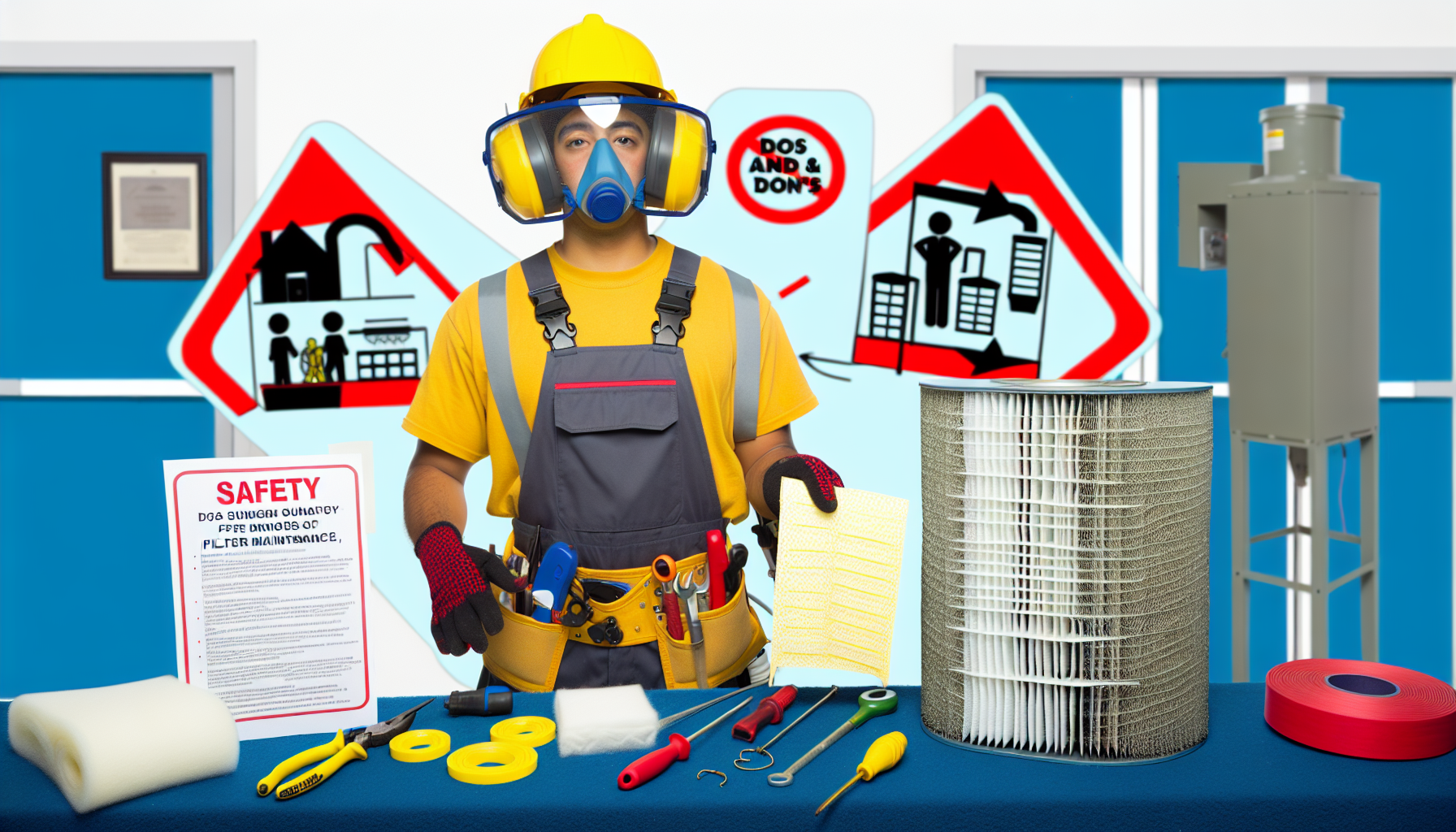
Using ear protection is crucial when working with HVAC tools to prevent hearing damage. In this blog post, we will discuss the importance of wearing ear protection, how to properly use and maintain it, and provide tips for selecting the right ear protection for your needs.
Why Ear Protection is Important
Working with HVAC tools can expose you to loud noises that can cause permanent hearing damage if proper precautions are not taken. Continuous exposure to noises above 85 decibels (dB) can lead to hearing loss over time. HVAC tools such as drills, nail guns, and saws can generate noise levels ranging from 80 dB to over 100 dB.
Wearing ear protection not only safeguards your hearing but also improves your overall well-being. Studies have linked prolonged exposure to loud noises with increased stress levels, decreased productivity, and even cardiovascular issues.
Types of Ear Protection
There are various types of ear protection available on the market, each suited for different levels of noise exposure and personal preferences.
- Earplugs: These are small, disposable inserts that fit into the ear canal. They are convenient, portable, and highly effective in reducing noise. Earplugs are a good option for individuals who prefer a lightweight and less noticeable form of ear protection.
- Earmuffs: Earmuffs are designed to cover the entire outer ear, providing a physical barrier against noise. They are adjustable, comfortable to wear, and typically offer a higher level of noise reduction compared to earplugs. Earmuffs are also suitable for individuals who wear glasses or have ear infections.
- Electronic ear muffs: These advanced earmuffs include built-in electronic features that allow you to hear ambient sounds while protecting against loud noises. They amplify low-level sounds and automatically adjust noise reduction when exposed to high noise levels.
How to Properly Use Ear Protection
Using ear protection correctly ensures maximum effectiveness and protection. Follow these steps to properly use ear protection:
- Select the right type of ear protection for your needs.
- Clean your hands thoroughly before handling ear protection to prevent any dirt or bacteria from entering the ear canal.
- For earplugs, roll and squeeze them into a thin cylinder before inserting them into the ear canal. Pull on the earlobe gently to ensure a secure fit.
- If using earmuffs, carefully adjust the headband to fit snugly over your head, ensuring a proper seal.
- Check the manufacturer’s instructions for any additional steps specific to the ear protection you are using.
- Once properly worn, keep ear protection on throughout the entire duration of exposure to loud noises.
How to Maintain Ear Protection
Proper maintenance of ear protection is essential for longevity and optimal performance. Follow these guidelines to maintain your ear protection:
- Regularly clean earplugs with mild soap and warm water, rinsing thoroughly afterward. Allow them to air dry completely before reuse.
- For earmuffs, clean the ear cushions and headband regularly using a damp cloth and mild cleaning solution. Avoid submerging earmuffs in water or using harsh chemicals.
- Inspect ear protection regularly for signs of wear or damage. Replace them if the earplugs are no longer soft and pliable or if the earmuffs have cracked or broken parts.
- Store ear protection in a clean, dry, and protective case when not in use to prevent damage.
Tips for Selecting Ear Protection
Consider the following factors when selecting ear protection:
- Noise reduction rating (NRR): This rating indicates the amount of noise reduction provided by the ear protection. Look for a higher NRR for louder noise environments.
- Comfort: Choose ear protection that fits comfortably and does not cause discomfort, especially when worn for extended periods.
- Durability: Select ear protection made from durable materials that can withstand regular use and potential impacts.
- Convenience: If you require frequent communication or need to hear surrounding sounds, consider electronic ear muffs that allow for sound amplification and noise reduction simultaneously.
FAQs
- Q: How long can I wear earplugs or earmuffs?
- A: It is safe to wear earplugs or earmuffs continuously for up to 8 hours. Take breaks and give your ears a chance to rest if you need to wear them for longer durations.
- Q: Can I reuse disposable earplugs?
- A: While some earplugs are designed for multiple uses, disposable earplugs are typically intended for single-use only to maintain hygiene and optimal performance. Refer to the manufacturer’s instructions for guidance.
- Q: How often should I replace ear protection?
- A: Regularly inspect ear protection for signs of wear or damage. Replace earplugs if they become dirty, hardened, or lose their shape. Earmuffs should be replaced if there are cracks or broken parts that compromise the protection.
- Q: Can I listen to music while wearing ear protection?
- A: It is not recommended to listen to music at high volumes while wearing ear protection. Doing so may increase the risk of hearing damage. If you enjoy listening to music, consider using specialized earbuds or headphones with noise-canceling capabilities.
Remember, your hearing is precious, and taking proactive measures to protect it while working with HVAC tools is vital. Invest in high-quality ear protection, use it correctly, and maintain it to ensure your hearing remains intact for years to come.