
Introduction
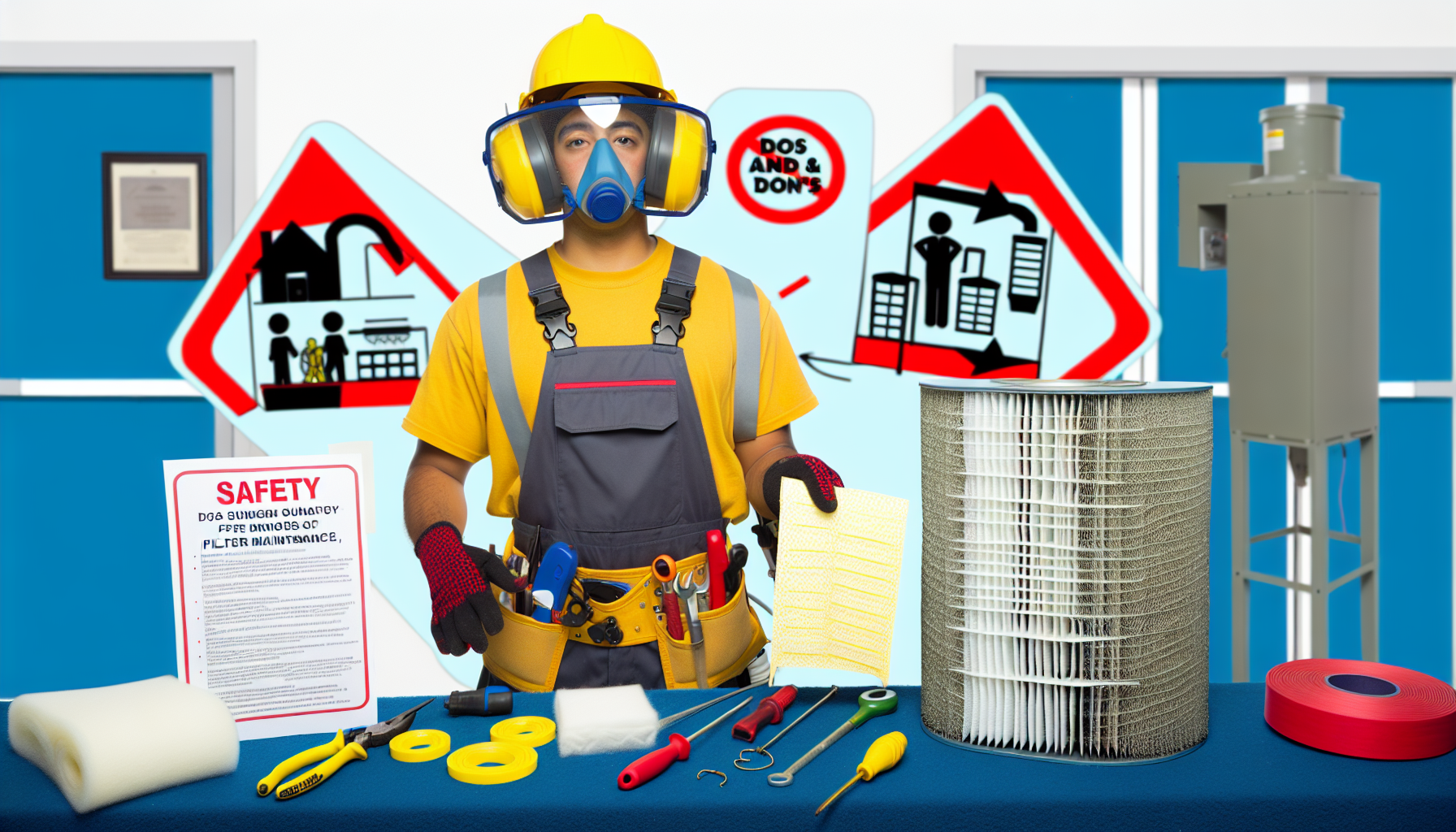
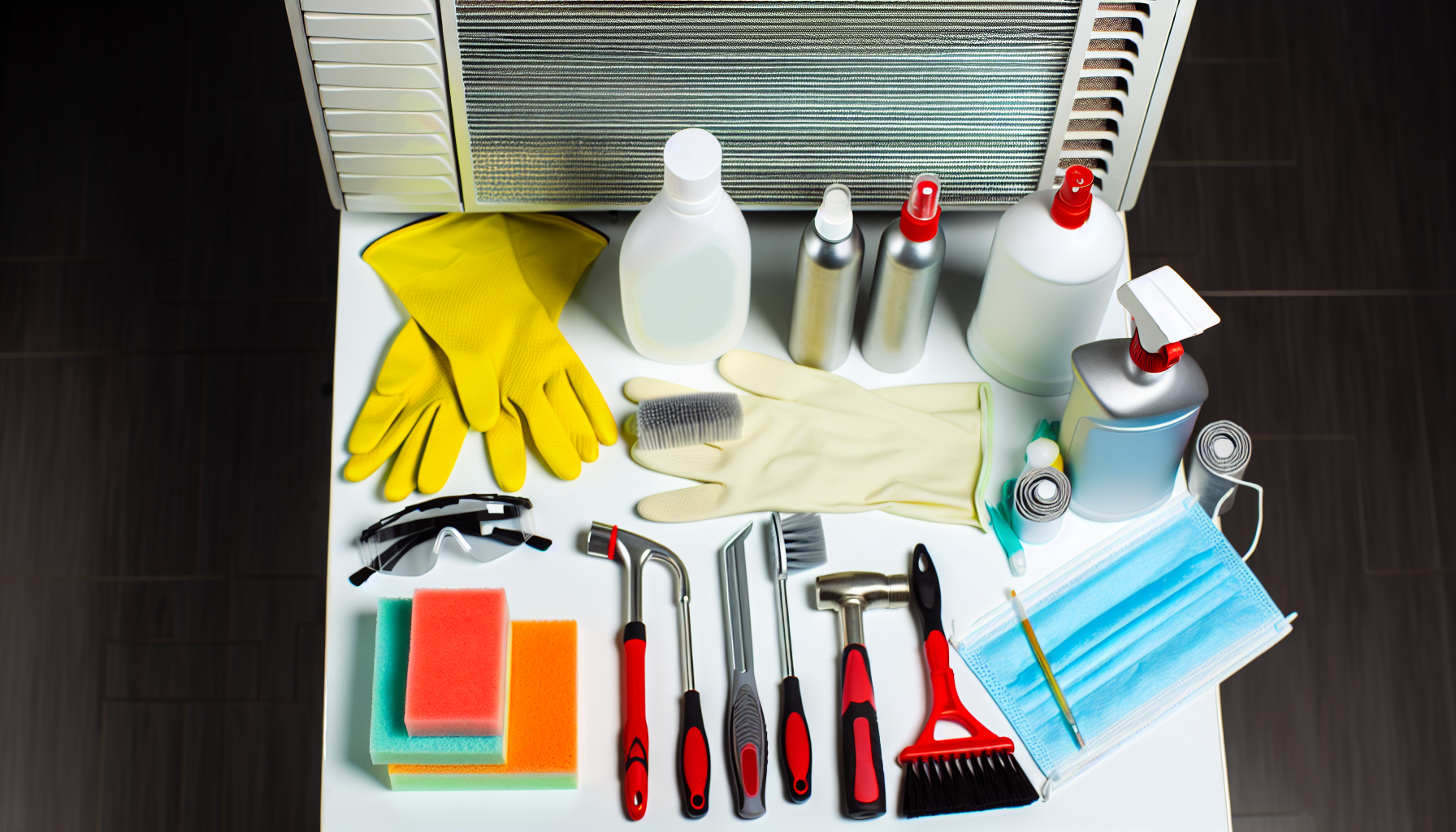
When working in the HVAC industry, it’s important to prioritize safety. One essential tool that HVAC professionals should always have on hand is a respirator. A respirator is designed to protect the wearer from inhaling hazardous substances, such as dust, chemicals, or airborne pollutants. In this article, we will discuss how to properly use a respirator in HVAC work and why it’s vital for your safety.
Why Use a Respirator in HVAC Work?
Working in the HVAC field often involves tasks that expose workers to various types of airborne particles or chemicals. These can include dust, fumes, mold spores, and volatile organic compounds (VOCs). Inhaling these substances can have serious health consequences, especially when exposed for extended periods.
A respirator acts as a protective barrier between your respiratory system and these harmful substances. It filters the air you breathe, removing dangerous particles and contaminants, and ensuring that you only inhale clean and safe air. By wearing a respirator, you can significantly reduce your risk of developing respiratory problems, allergies, or other health issues associated with chemical exposure.
Choosing the Right Respirator
Before using a respirator, it’s crucial to find the right one for the job. Different types of respirators are designed for specific hazards, so it’s essential to choose the correct one for your HVAC work.
There are two main types of respirators commonly used in HVAC work:
- Particulate Respirators: These are designed to filter out airborne particles, such as dust, pollen, and mold spores. They are usually labeled N95, N99, or N100, indicating their level of filtration efficiency. These respirators do not protect against gases or vapors; thus, they are suitable for tasks that mainly involve particulate matter.
- Chemical Cartridge Respirators: These respirators are equipped with cartridges that filter out specific gases and vapors. They are effective against a wide range of chemicals commonly found in HVAC work, such as solvents, cleaning agents, or refrigerant fumes. When using a chemical cartridge respirator, make sure to choose the appropriate cartridges for the specific substances you will be exposed to.
It’s important to read the instructions and specifications provided by the respirator manufacturer to ensure you are using the right respirator for the hazards you may encounter in your HVAC work.
How to Properly Use a Respirator
Using a respirator correctly is crucial for its effectiveness. Here are the steps to properly use a respirator in HVAC work:
- Select the Right Size: Ensure that the respirator fits properly on your face. It should form a secure seal around your nose and mouth, leaving no gaps for contaminants to enter. Follow the manufacturer’s guidelines to determine the correct size for your face.
- Perform a User Seal Check: Before each use, perform a user seal check to ensure the respirator is properly sealed to your face. Place your hands over the filter area and exhale gently. If you feel air escaping or notice any leakage, re-adjust the respirator or choose a different size.
- Clean Your Hands and Face: Before putting on a respirator, make sure to clean your hands and face thoroughly. This helps prevent any contaminants from transferring to the respirator or entering your respiratory system.
- Put on the Respirator: Hold the respirator in your hand with the straps facing outward. Position the respirator over your nose and mouth, then pull the straps over your head. Adjust the straps until the respirator feels secure and comfortable.
- Perform a Fit Check: Once the respirator is on, perform a fit check to ensure it is properly sealed. Cover the respirator with your hands, taking care not to disturb the position. Inhale gently, and if you feel the respirator collapsing against your face, it is properly sealed. If not, adjust the straps and perform the fit check again.
Remember, a respirator only works if it fits correctly and is sealed properly
Proper Care and Maintenance
Regular maintenance and care are necessary to ensure the longevity and effectiveness of your respirator. Here are some essential care tips:
- Regular Cleaning: Clean your respirator after every use. Follow the manufacturer’s instructions for specific cleaning methods, as they may vary depending on the type of respirator you have.
- Storage: Store your respirator in a clean and dry place, away from direct sunlight, extreme temperatures, and contaminants. This will help prevent damage and ensure the respirator remains in good condition.
- Replace Filter Cartridges: If you are using a chemical cartridge respirator, make sure to replace the filter cartridges at the recommended intervals or when they become damaged or clogged. Using expired or damaged cartridges can compromise the effectiveness of your respirator.
- Inspect for Damage: Regularly inspect your respirator for any signs of damage, such as cracks, tears, or loose straps. If any damage is found, replace the respirator immediately.
Conclusion
Using a respirator is essential for your safety when working in the HVAC industry. By properly selecting, fitting, and maintaining your respirator, you can protect yourself from harmful airborne substances and ensure a safe working environment. Prioritize your health by incorporating the use of a respirator into your HVAC routine – your lungs will thank you!
FAQs
1. When should I wear a respirator in HVAC work?
You should wear a respirator in HVAC work whenever you are exposed to airborne particles, chemicals, or hazardous substances. This includes tasks such as cleaning air ducts, handling insulation materials, or working with chemicals or solvents.
2. Can I reuse a disposable respirator?
Disposable respirators are typically designed for single-use only. They should be discarded after each use or when they become damaged or soiled.
3. How often should I replace the filters in a chemical cartridge respirator?
The frequency of filter replacement depends on the type and concentration of the chemicals you are exposed to. Follow the manufacturer’s guidelines for your specific respirator model. As a general rule, it’s advisable to replace the filter cartridges regularly to maintain the effectiveness of your respirator.
4. Can a respirator protect against all types of airborne hazards?
No, respirators are designed to protect against specific hazards. It’s important to choose the right type of respirator based on the nature of the airborne contaminants you may encounter in your HVAC work.
5. Are there any regulations or standards for respirator use in HVAC work?
Yes, there are regulations and standards set by organizations such as the Occupational Safety and Health Administration (OSHA) in the United States. These regulations outline the requirements for respirator use in different industries, including HVAC. Familiarize yourself with the relevant regulations and ensure compliance to protect your health and safety.